
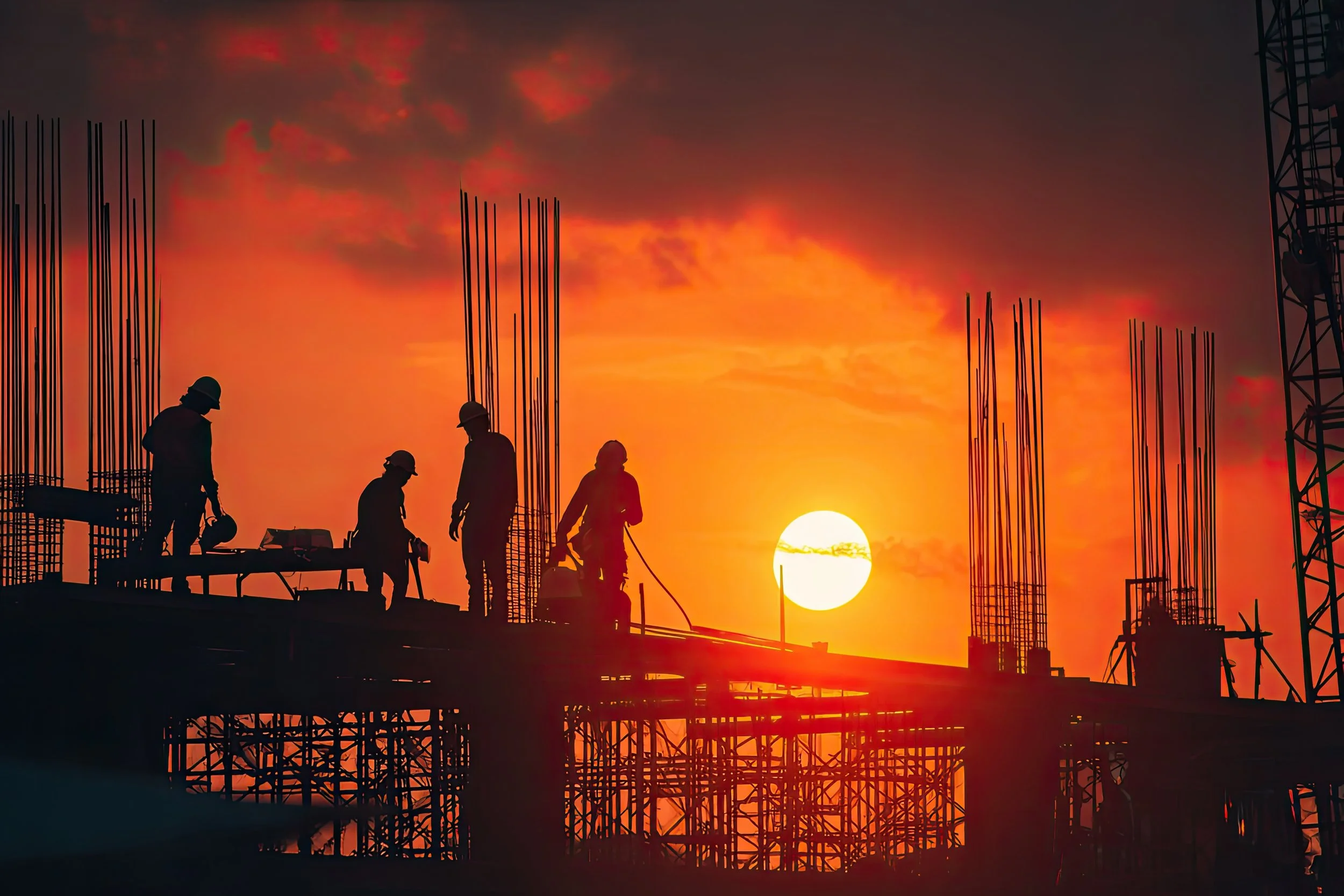
Accounting for Construction
Construction companies face unique financial challenges. Fluctuating cash flow due to project-based billing cycles and seasonality, project expenses related to materials, subcontractors, and equipment and the continuing navigation of regulatory compliance as it relates to tax regulations and industry-specific requirements.
In an industry with razor thin margins, seasonality, and the constant need to aggressively manage cash flow, explore how our services will help you stay competitive in a transforming industry.
TAX PLANNING AND COMPLIANCE
Accsol offers our construction clients guidance on tax strategies, deductions and credits specific to the industry. We focus on managing tax liabilities and optimizing benefits. When it comes to taxes, we understand the significance of cost capitalization, job costing, depreciation and amortization.
JOB COSTING
We assist our clients with job costing. Accurate job costing ensures that project specific expenses are appropriately reflected during tax calculations. It allows our clients to break down expenses related to labor, materials, equipment, and overhead for each project. Job costing ensures proper record-keeping that can generate accurate financials essential for tax reporting and compliance. Job costing helps you assess the profitability of individual projects allowing you to make informed decisions. It provides the necessary data to show your financial health to lenders or bonding companies and effective job costing ensures that cash flow is optimized.
COST CAPITALIZATION
Accsol understands the capitalization of construction costs is an important part of a contractor’s decision-making. It’s vital to understand the different types of costs eligible for capitalization and to know how depreciation and amortization affect a company’s P&L. Contractors must also recognize the importance of proper documentation, good record-keeping, and compliance with Generally Accepted Accounting Principles (GAAP).
DEPRECIATION AND AMORTIZATION
Depreciation and Amortization help construction companies manage taxes by spreading costs over time. Depreciation is a tax benefit because it allows companies to deduct a portion of the asset’s cost from their taxable income. Construction companies can depreciate assets like bulldozers, cranes, or office furniture.
Amortization lets a construction company spread the cost of an intangible asset over its expected useful life. We help identify intangible assets relevant to construction companies.